Mia Lange · 2 September 2026
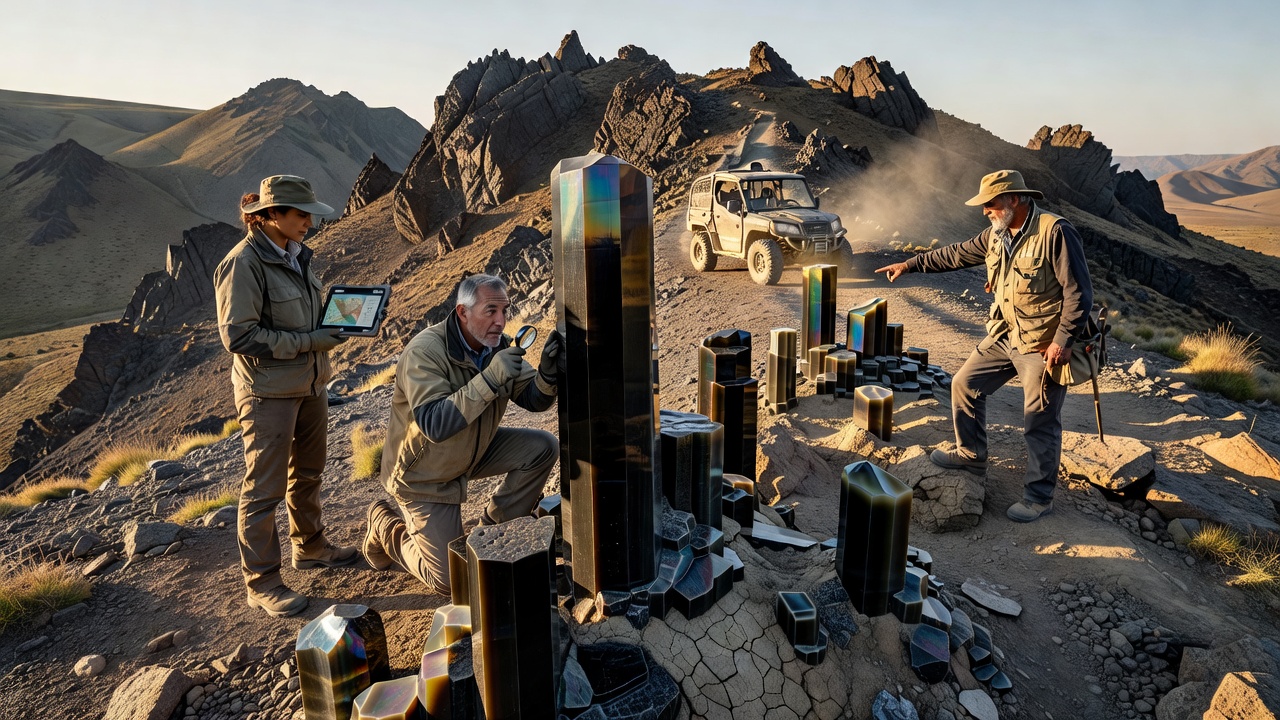
A recent geological survey conducted at Onyx Ridge has uncovered previously unknown rock formations, shedding light on the area's complex geological history. The findings, released by the Onyx Ridge Geological Institute, indicate the presence of unique sedimentary layers dating back millions of years. Researchers utilized advanced imaging techniques and on-site drilling to map the subsurface structures. These new formations include intricate quartz veins and basalt intrusions not documented in prior studies.
The survey team identified several anomalous features within the ridge's core. Among them are layered deposits rich in rare earth elements, which could have implications for mineral resource exploration. The formations suggest tectonic activity that reshaped the landscape during the Miocene epoch. Further analysis revealed fossilized remains embedded in the new strata, providing evidence of ancient marine environments. This discovery challenges existing models of the ridge's formation and may prompt revisions to regional geological maps.
Key Findings from the Survey
Lead geologist Dr. Elena Vargas noted the significance of these findings for understanding seismic risks in the area. The team plans additional surveys to explore adjacent zones. Additional data from satellite imagery has corroborated the ground findings, showing surface expressions of the subsurface changes. This multi-method approach enhances the reliability of the conclusions drawn.
Future Research and Regional Impact
These revelations have sparked interest from academic institutions worldwide. Potential collaborations could lead to deeper insights into the geological processes at play. Local authorities are considering how this information might affect land use planning and conservation efforts around Onyx Ridge. Environmental groups emphasize the need for careful study to avoid disturbing sensitive ecosystems. The survey data will be made available through public databases to facilitate ongoing research. In conclusion, the new formations at Onyx Ridge represent a major advancement in geological knowledge, with broad applications for science and industry alike. Continued monitoring will be essential to fully grasp their implications.