Ellis Lange · 2 September 2026
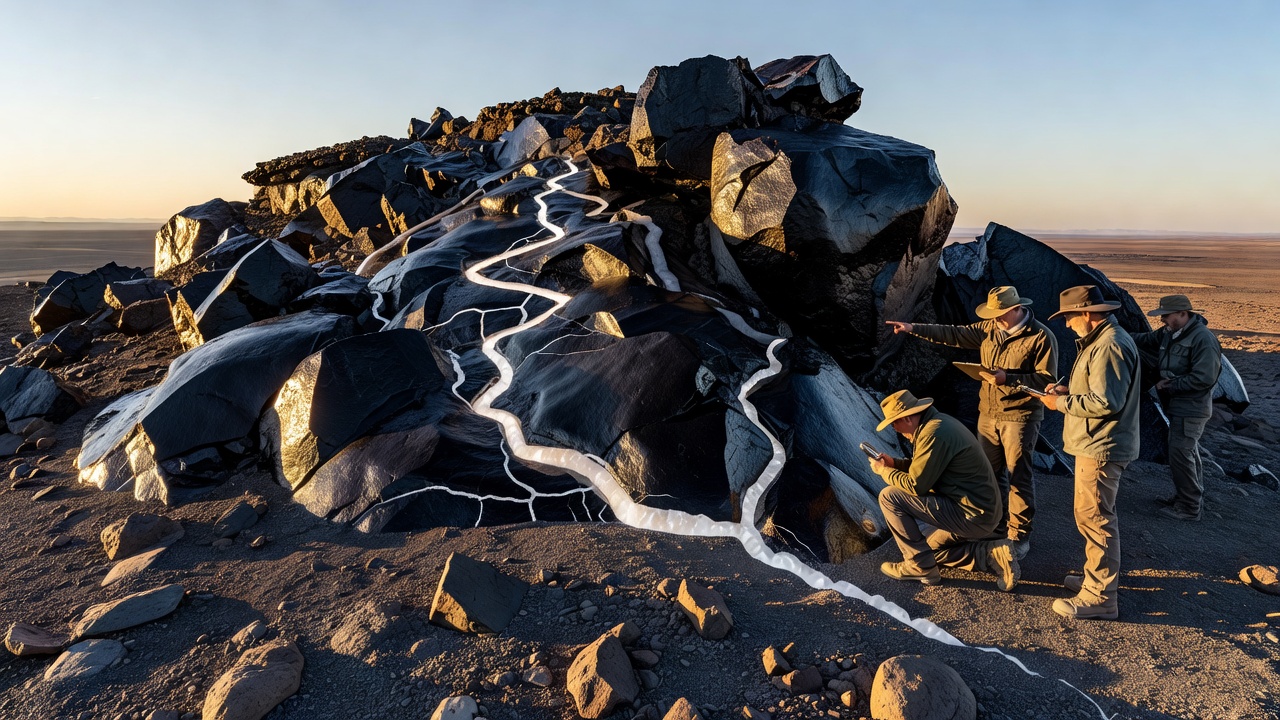
The geological survey at Onyx Ridge has brought to light several new and intriguing formations that were previously unknown to scientists. Conducted over the past year by a dedicated team of geologists, the project aimed to map and analyze the diverse rock structures present in this unique landscape. Initial reports indicate that the discoveries could reshape current understandings of the area's geological evolution.
Survey Methodology and Findings
Utilizing state-of-the-art equipment such as LiDAR scanners and seismic sensors, the researchers were able to penetrate the surface and reveal hidden layers beneath the ridge. The data collection process involved traversing difficult terrain and setting up multiple monitoring stations. Among the notable discoveries are elongated basalt columns that exhibit unusual fracturing patterns and deposits of rare earth elements embedded within sedimentary rock. These findings suggest a history of intense tectonic movements and volcanic eruptions dating back millions of years. Laboratory examinations of rock samples have confirmed the presence of minerals like zircon and feldspar in concentrations higher than expected. The survey also identified potential fault lines that may influence future seismic activity in the vicinity. Experts note that the new formations provide valuable clues about climate changes during prehistoric times, as the rock layers preserve evidence of environmental shifts. This comprehensive study has involved collaboration with universities and has resulted in a detailed report that will be published in a peer-reviewed journal.
Potential Impacts and Future Research
The implications of these discoveries extend beyond academic interest, potentially affecting land use planning and conservation efforts in the Onyx Ridge area. Local authorities are reviewing the findings to determine how they might influence development projects. There is also interest from mining companies, but strict regulations are expected to govern any extraction activities to protect the environment. Future research will focus on dating the formations more precisely and exploring their connections to similar sites worldwide. International teams are being invited to participate in extended fieldwork sessions scheduled for the upcoming season. Overall, this survey marks a significant advancement in the geological knowledge of the region and sets the stage for further explorations that could yield even more surprises.